Future-Proofing Education: Adapting Curriculum for the 21st Century Skills
Introduction
As we navigate through an ever-evolving world, the landscape of education must also adapt to meet the challenges of the 21st century. The rapid pace of technological advancement, shifts in workforce demands, and the growing importance of soft skills require a reevaluation of how we educate our students. This article explores how educational institutions can future-proof curricula to equip learners with essential skills for success.
The Importance of 21st Century Skills
In today’s interconnected world, basic knowledge is no longer sufficient. Students must develop a combination of skills that enable them to thrive in diverse environments. The critical skills to focus on include:
- Critical Thinking and Problem Solving: The ability to analyze information and develop solutions is paramount.
- Collaboration: Working effectively in teams is essential in both academic and professional settings.
- Communication: Articulating ideas clearly and persuasively is crucial.
- Creativity: Innovation and thinking outside the box are vital for future advancements.
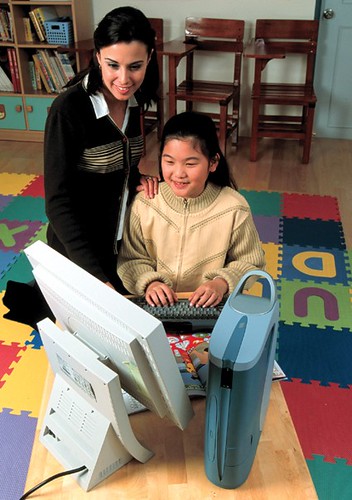
- Digital Literacy: Proficiency in technology is required in nearly all fields.
Aligning Curriculum with Real-World Applications
To ensure students acquire these skills, educational institutions must integrate real-world applications into their curricula. Here’s how:
Project-Based Learning
Implementing project-based learning encourages students to work on real-world problems, fostering critical thinking and collaboration. By allowing students to engage in meaningful projects, they can apply theoretical knowledge in practical scenarios.
Interdisciplinary Approaches
Breaking down traditional subject barriers can lead to more holistic learning experiences. For instance, combining science with art can lead to innovative projects that inspire creativity while teaching scientific principles.
Internships and Community Partnerships
Collaborating with local businesses and organizations can provide students with internship opportunities. These experiences give students a taste of the professional world and help them develop vital skills, such as networking and time management.
Incorporating Technology in Learning
Embracing technology is essential for future-proofing education. Here are key strategies to consider: Also read: wak89 for more insights.
Blended Learning Models
By combining traditional classroom instruction with online learning, students can learn at their own pace while still benefiting from in-person support. This flexibility caters to diverse learning styles.
Interactive Educational Tools
Using tools such as simulations, virtual labs, and interactive learning platforms can engage students and enhance understanding. These resources provide immersive experiences that traditional methods may lack.
Gamification of Learning
Incorporating gamification in education helps motivate students through rewards and challenges. This strategy can make learning enjoyable while reinforcing concepts.
Fostering Soft Skills Development
While technical skills are important, soft skills are equally vital for student success. The following strategies can help cultivate these essential abilities:
Encouraging Emotional Intelligence
Social-emotional learning (SEL) programs teach students to manage their emotions, set goals, and show empathy. Integrating SEL into the curriculum can lead to improved student well-being and interpersonal skills.
Promoting Leadership Opportunities
Providing avenues for leadership, such as student council or group projects, encourages students to take initiative and develop confidence. Leadership experiences prepare students for future roles in their communities and workplaces.
Conclusion
By adapting curricula to align with the needs of the 21st century, educational institutions can future-proof students for success. Emphasizing critical skills, integrating technology, and fostering soft skills will create a generation of learners who are not only knowledgeable but also equipped to thrive in an ever-changing world. As educators, it is our responsibility to ensure that we provide our students with the tools they need to navigate their futures with confidence.