Redefining Educational Spaces: The Role of Environment in Learning for 2026
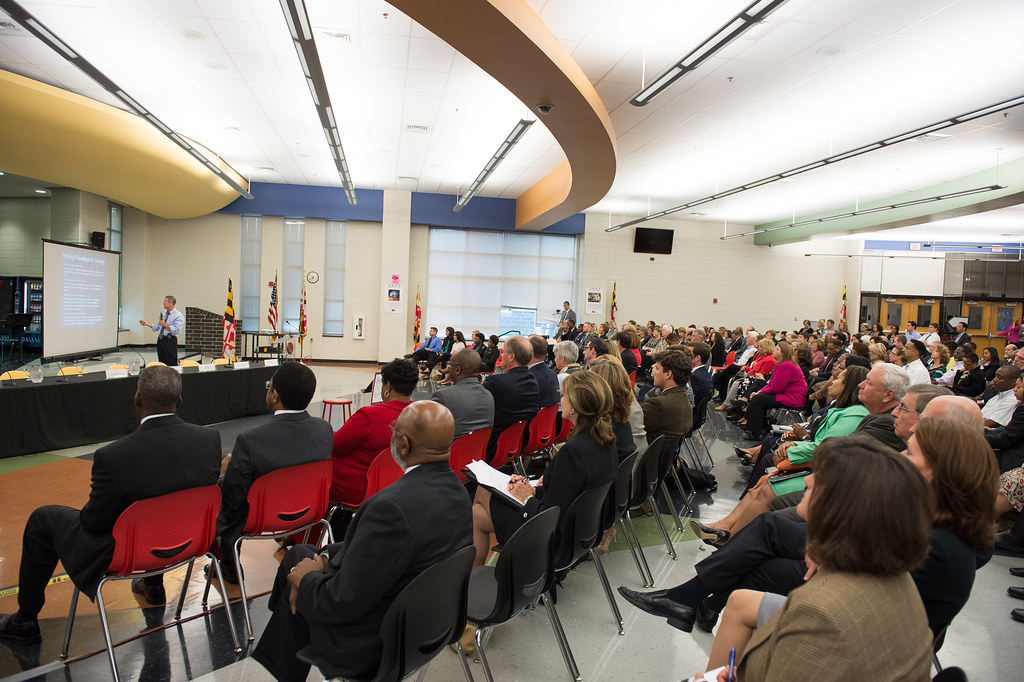
The Impact of Educational Environments on Learning Outcomes
As we move further into 2026, it becomes increasingly clear that the environment in which education takes place significantly influences student engagement and learning outcomes. From physical classroom design to psychological learning spaces, understanding how environment shapes educational experiences can help us enhance the way we teach and learn.
Understanding Learning Environments
A learning environment encompasses everything from the physical setting of a classroom to the intangible aspects of the educational experience, such as emotional and psychological support. A well-structured learning environment promotes collaboration, creativity, and critical thinking among students.
The Evolution of Classroom Design
In the past years, educational spaces have transformed dramatically. Traditional rows of desks are being replaced by flexible seating arrangements that encourage interaction and active participation. Here are some elements influencing the evolution of classroom design:
- Flexible Seating: Furniture that can be moved or reconfigured allows students to work in groups or individually, fostering collaboration and accommodating different learning styles.
- Natural Light: Incorporating windows and skylights not only improves the aesthetic appeal of a classroom but also enhances mood and concentration.
- Technology Integration: Classrooms are now equipped with smartboards, tablets, and other technology that support interactive learning experiences.
- Outdoor Learning Spaces: Schools are increasingly recognizing the benefits of outdoor classrooms, which provide hands-on learning experiences in a natural setting.
Psychological Aspects of Learning Spaces
While the physical setup is crucial, the psychological environment is equally important. A positive learning atmosphere encourages students to take risks and engage deeply in their education. Key factors include:
- Emotional Safety: Creating an environment where students feel safe to express their thoughts and questions promotes engagement and learning.
- Growth Mindset: Encouraging a culture that values persistence and effort helps students develop a growth mindset, essential for lifelong learning.
- Community Building: Fostering strong relationships among students, teachers, and parents creates a sense of belonging and support, which is vital for academic and personal growth.
Implementing Change: Strategies for Educators
Transforming the educational environment requires intentional strategies. Here are several approaches educators can take:
- Professional Development: Invest in training educators on the importance of environmental factors and effective classroom design.
- Gathering Student Feedback: Regularly solicit input from students about their learning environments and make adjustments based on their preferences.
- Collaboration with Designers: Work with architects and designers to create spaces that are both functional and inspiring.
- Integrating Technology Purposefully: Use technology to enhance the learning experience rather than as a mere add-on.
Case Studies of Innovative Learning Spaces
Many schools worldwide are already implementing innovative learning spaces with remarkable results. Here are a few standout examples:
- Innovative Learning Space in Singapore: A school in Singapore transformed traditional classrooms into open spaces that promote collaboration among students. Teachers report increased student engagement and enthusiasm.
- Outdoor Classrooms in Finland: Finnish schools have integrated outdoor classrooms, emphasizing experiential learning. This approach has shown improved student performance and well-being.
- Flexible Classrooms in the U.S.: Several U.S. schools have adopted flexible classroom designs that allow for various teaching methods. Teachers have noted enhanced collaboration and student satisfaction.
The Future of Learning Spaces
As we look ahead, the importance of educational environments will only grow. Enhancements in technology, sustainability, and design will further reshape how classrooms function. Education leaders must remain proactive in addressing both the physical and psychological aspects of learning environments.
Conclusion
The movement toward redefining educational spaces is not just a trend; it represents a shift in understanding how students learn best. By embracing innovative designs and fostering positive psychological environments, we can better prepare our students for the challenges and opportunities of the future. As we navigate through 2026 and beyond, let us prioritize creating educational spaces that inspire every learner to reach their full potential.