The Transformation of Educational Spaces: Redefining Learning Environments for 2026
The Transformation of Educational Spaces: Redefining Learning Environments for 2026
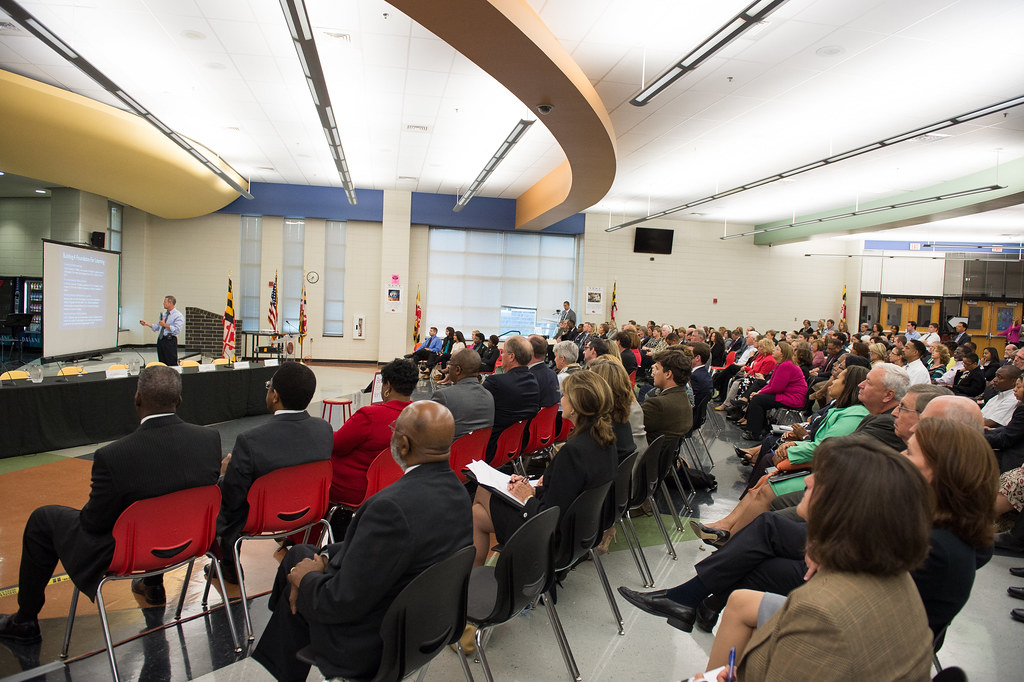
As we approach the end of 2026, the landscape of education is experiencing a seismic shift in how learning environments are designed and utilized. The traditional classroom setup is evolving, influenced by technological advancements, pedagogical innovations, and a growing understanding of how physical spaces affect learning outcomes.
The Shift Towards Flexible Learning Spaces
Flexible learning environments have become a central theme in educational design. Gone are the days of rigid rows of desks facing a singular focal point. Instead, educators and designers are creating spaces that can be adapted based on the learning activity:
- Multi-functional furniture: Chairs and tables that can be easily rearranged or transformed support a variety of learning activities, from group projects to individual study.
- Collaborative zones: Areas specifically designed for group work foster collaboration and communication among students, encouraging a hands-on approach to learning.
- Quiet zones: Spaces dedicated to individual reflection help students process information and recharge, acknowledging the need for mental breaks.
The Impact of Natural Light and Green Spaces
Research underscores the importance of natural light and access to green spaces in educational settings. Schools in 2026 increasingly incorporate these elements into their designs:
- Daylight optimization: Classrooms with abundant natural light have been shown to improve student focus and overall well-being.
- Indoor gardens: Integrating plants and green areas within schools not only enhances aesthetics but also promotes a calming atmosphere conducive to learning.
- Outdoor classrooms: Utilizing outdoor spaces for lessons allows for experiential learning opportunities and a deeper connection to nature.
The Role of Technology in Redesigning Spaces
The integration of technology in educational environments has profoundly changed how spaces are utilized:
- Smart classrooms: Equipped with interactive whiteboards, virtual reality tools, and advanced audio-visual equipment, these classrooms enhance engagement and provide diverse learning experiences.
- Virtual and augmented reality: These technologies are used in educational settings to create immersive learning experiences, allowing students to explore complex subjects in unique ways.
- Remote collaboration tools: With the rise of remote learning, incorporating technology that facilitates virtual collaboration is essential, making it easier for students to work together regardless of their physical location.
Community Involvement in Educational Space Design
Successful educational space transformation requires input from various stakeholders, particularly the community:
- Parent and teacher feedback: Involving both groups in the planning process ensures that the needs of students are met and that spaces function effectively for teaching and learning.
- Local partnerships: Collaborating with community organizations can lead to resources and funding opportunities that enhance the educational environment.
- Student voice: Allowing students to contribute their ideas about the learning environment fosters ownership and accountability in their education.
Addressing Diverse Learning Needs
The redesign of educational spaces also aims to accommodate diverse learning styles and needs:
- Inclusive design: Ensuring that learning spaces are accessible to all students, regardless of physical or learning disabilities, is a priority in modern educational environments.
- Varied seating options: Providing different types of seating—such as bean bags, standing desks, and traditional chairs—caters to student preferences and promotes comfort during learning.
- Sensory-friendly spaces: Designating areas within schools that reduce sensory overload can support students with sensory processing disorders, allowing them to thrive.
Conclusion: The Future of Educational Spaces
As we continue through 2026, it is evident that the transformation of educational spaces is not just a trend; it is a necessary evolution to meet the needs of modern learners. By fostering flexibility, incorporating natural elements, leveraging technology, and focusing on inclusivity, educators and designers are creating environments that enhance learning and prepare students for the challenges of the future. The space in which learning occurs is as crucial as the curriculum itself, shaping how knowledge is acquired and retained. As we look ahead, prioritizing the design of these spaces will be essential for educational success.