The Role of Critical Thinking in Future Education: Preparing Students for 2026 and Beyond
The Importance of Critical Thinking in Education
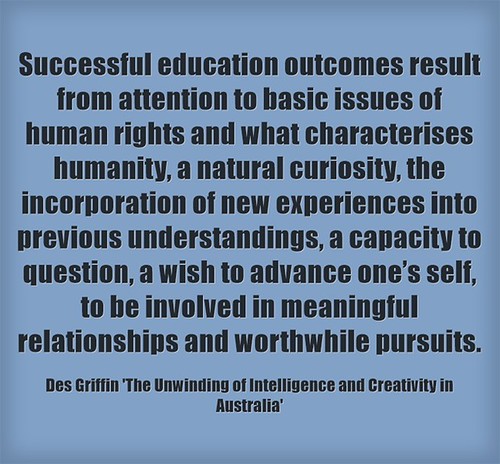
In today’s rapidly evolving world, critical thinking has emerged as one of the most essential skills that students need to develop. As we approach the year 2026, the ability to analyze information critically and make informed decisions is crucial not only for academic success but also for navigating the complexities of modern life.
What is Critical Thinking?
Critical thinking involves the ability to actively analyze, synthesize, and evaluate information to form a reasoned judgment. It goes beyond mere memorization of facts; it requires a deep understanding of concepts and the ability to apply knowledge in various contexts.
Why Critical Thinking Matters in 2026
As we move further into the 21st century, the landscape of education continues to shift. Here are several reasons why critical thinking will be fundamental in education by 2026:
- Complex Problem Solving: With the rise of global challenges such as climate change and social inequality, students will need to employ critical thinking to devise innovative solutions.
- Information Literacy: The digital age has brought an overwhelming amount of information. Teaching students to evaluate sources critically is vital to cultivate informed citizens.
- Collaboration and Communication: Critical thinkers are also effective communicators. They can articulate their thoughts clearly and work collaboratively with others to tackle issues.
Integrating Critical Thinking into the Curriculum
To prepare students for future challenges, educators must integrate critical thinking skills across subjects. Here are some strategies to incorporate critical thinking into the curriculum:
1. Encourage Inquiry-Based Learning
Inquiry-based learning allows students to ask questions and explore topics in depth. By fostering a sense of curiosity, educators can motivate students to engage with their learning actively.
2. Use Real-World Scenarios
Presenting students with real-world problems encourages them to analyze situations critically. Case studies, role-playing, and simulations can be effective methods to enhance critical thinking skills.
3. Promote Debate and Discussion
Encouraging students to engage in debates on various topics helps them formulate arguments, consider different perspectives, and refine their critical thinking abilities.
4. Teach Metacognitive Strategies
Metacognition, or thinking about one’s own thinking, is an essential aspect of critical thinking. Teaching students to reflect on their thought processes can make them more aware and adaptive learners.
Assessing Critical Thinking Skills
Measuring critical thinking skills can be challenging, but it is essential to understand student progress. Here are some methods to assess critical thinking:
- Performance Tasks: Assign projects that require students to analyze data, draw conclusions, and present their findings.
- Reflective Journals: Encourage students to keep journals where they reflect on their learning processes and thought patterns.
- Peer Assessments: Facilitate peer reviews where students evaluate each other’s work based on critical thinking criteria.
Challenges in Implementing Critical Thinking in Education
While the benefits of critical thinking are clear, there are challenges in its implementation:
1. Teacher Training
Educators need adequate training to teach critical thinking effectively. Professional development programs focusing on critical pedagogy can equip teachers with the necessary skills.
2. Curriculum Constraints
Many existing curricula emphasize rote memorization. Shifting to a more inquiry-based approach may require significant changes in educational policy and planning.
3. Assessment Models
Traditional assessment methods often do not capture critical thinking abilities. Organizations must develop more comprehensive evaluation tools to measure these skills.
Conclusion: The Future of Education and Critical Thinking
The journey to integrate critical thinking into education is ongoing, but its necessity cannot be overstated. As we approach 2026, equipping students with critical thinking skills will empower them to become innovative problem solvers and proactive citizens. By transforming teaching practices and prioritizing critical thinking, educators can prepare students for a future filled with challenges and opportunities.